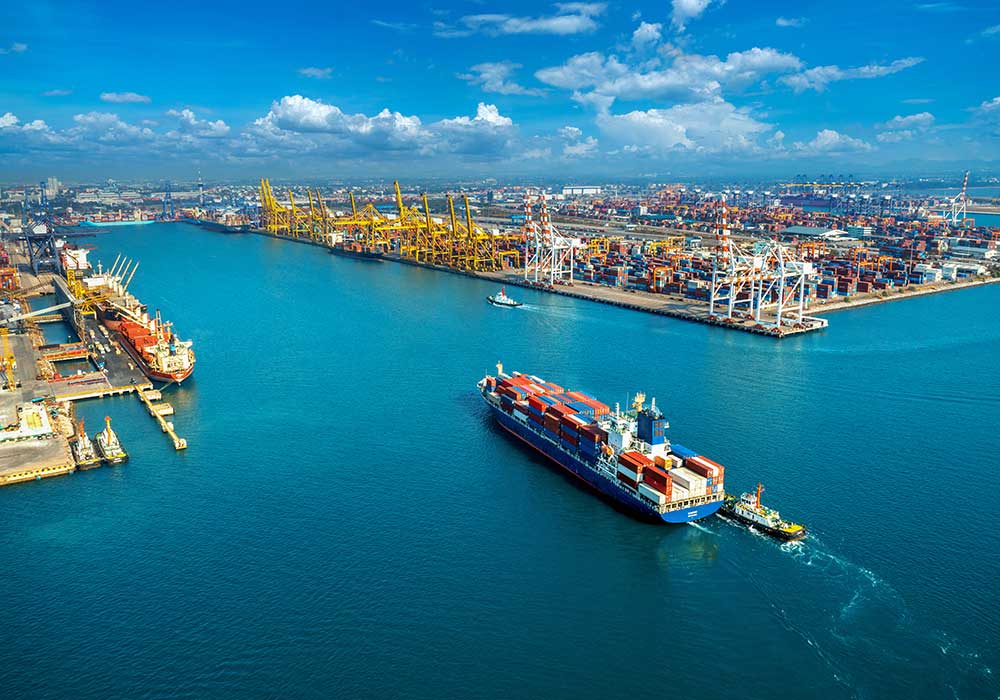

Al-Khatib: We are establishing infrastructure to support the Egyptian export strategy
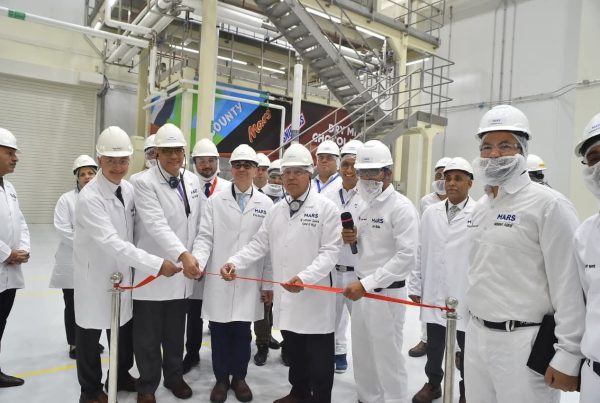
During his inspection tour of Ain Sokhna Port today, Eng. Hassan Al-Khatib, Minister of Investment and Foreign Trade, inaugurated the second phase of the central industrial laboratories system affiliated with the General Authority for Export and Import Control at Ain Sokhna Port, describing it as a “quality lifeline” that will inject new competitive strength into the veins of the Egyptian economy.
Participating in the inauguration were Dr. Walid Gamal El-Din, Chairman of the General Authority for the Suez Canal Economic Zone, Mr. Hossam Heiba, Chairman of the General Authority for Investment and Free Zones, Eng. Essam El-Naggar, Chairman of the General Authority for Export and Import Control, Mr. Sherif El-Kilany, Deputy Minister of Finance for Tax Policies, Mr. Ahmed Amouy, Head of the Customs Authority, and a number of leaders from the Ministry of Investment and Foreign Trade.
Egypt now possesses a quality infrastructure comparable to major international centers.
Minister of Investment and Foreign Trade
The Minister of Investment and Foreign Trade affirmed that this project goes beyond being merely infrastructure, representing a tangible embodiment of the Egyptian will to build a strong and future-oriented economy. Al-Khatib stated: “We are not merely inaugurating laboratories; we are launching a new phase of confidence and sending a strong message to the global investment community: Egypt now possesses a quality infrastructure that rivals major international centers. This system is the beating heart of the Suez Canal Economic Zone, providing exporters with an international passport to access global markets and ending the era of exorbitant costs and reliance on external testing laboratories.
It is a fundamental pillar in our ambitious strategy to reach $145 billion in exports by 2030.” For his part, Engineer Essam El-Naggar, Chairman of the General Authority for Export and Import Control, explained the qualitative capabilities of the system, which covers an area of 2000 square meters and primarily includes a two-story building housing 31 industrial laboratories at a total cost of 402.796 million Egyptian pounds. He added that the system represents a qualitative leap in the field of testing, as 153 highly accurate laboratory tests are conducted in areas crucial to industry and the lives of citizens, most notably ensuring the safety of automotive components, guaranteeing the efficiency and safety of household appliances and lighting units, and verifying that consumer products, such as children’s toys and textiles, are free from any hazards.